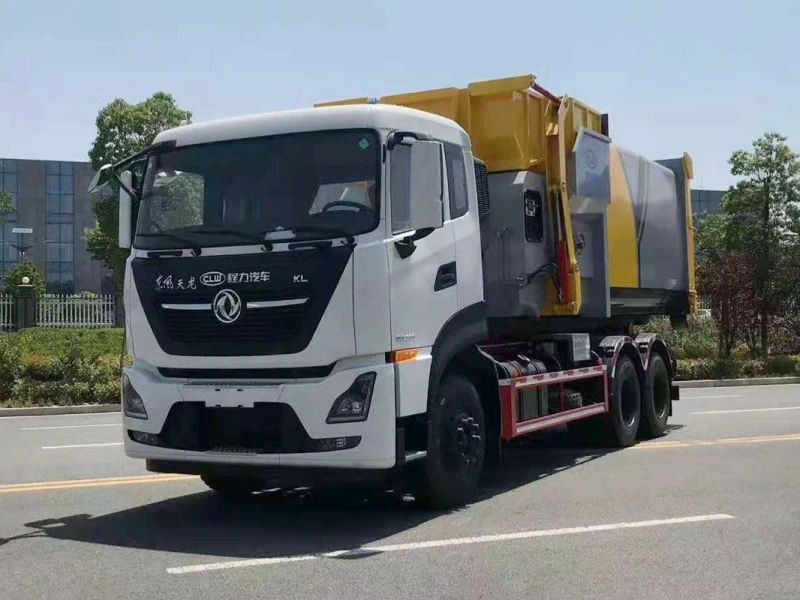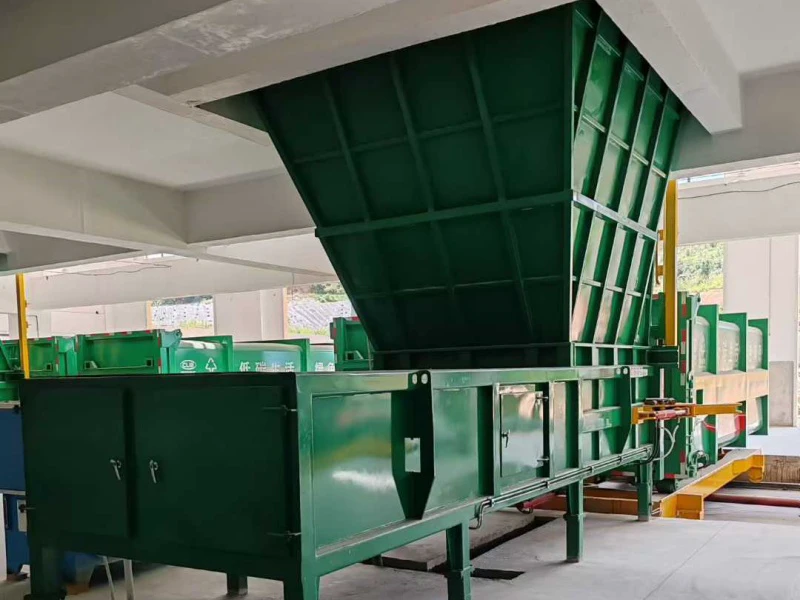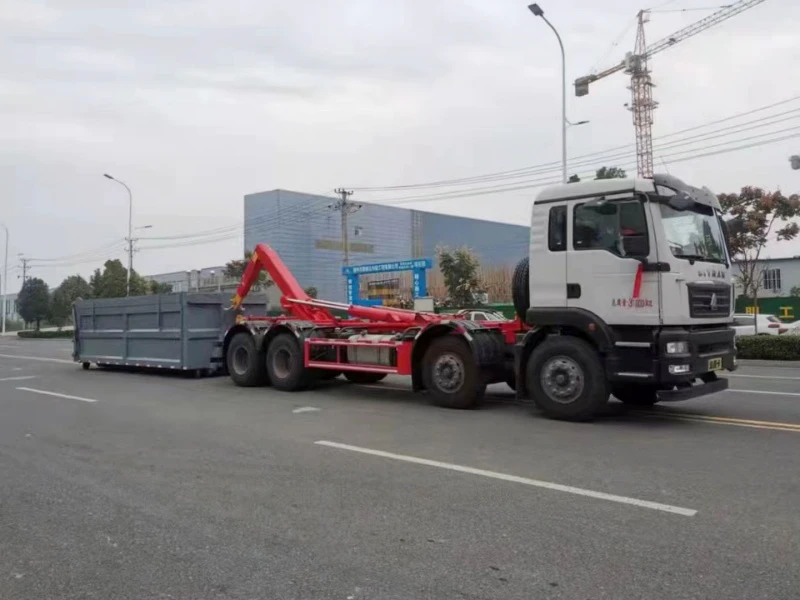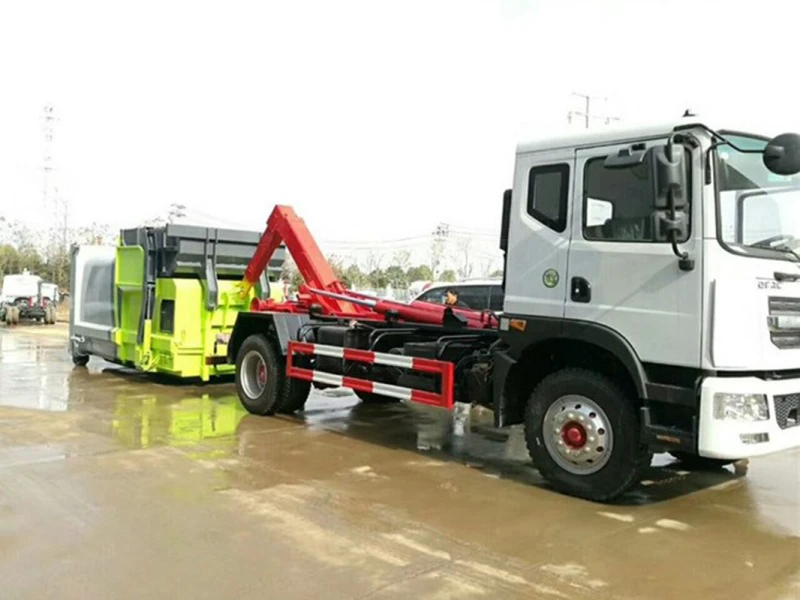
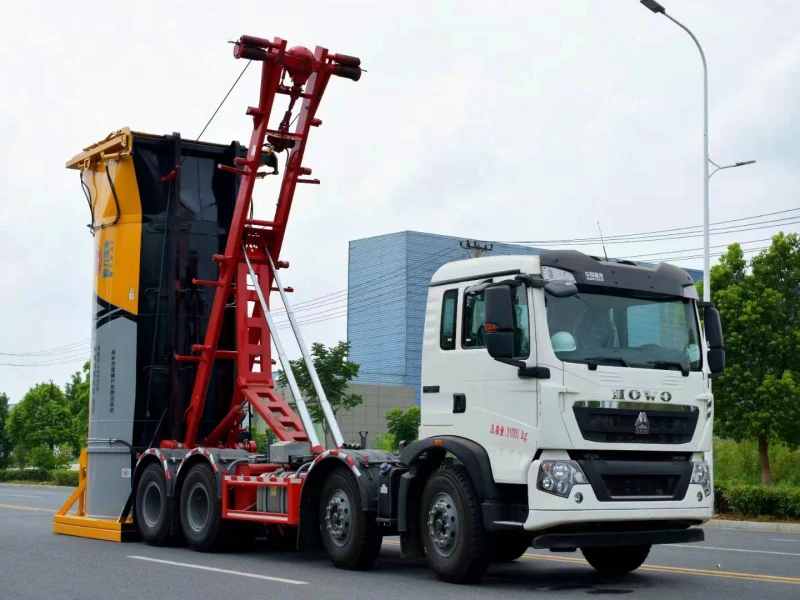
Sinotruk Howo Front Four Rear Eight Vertical Direct Compression Waste Station
I. Product Overview
The Sinotruk Howo front four rear eight vertical direct compression waste station is an advanced waste treatment system utilizing vertical compression technology with separate compression and storage design. This comprehensive waste solution offers diverse feeding methods accommodating various small to medium collection vehicles, making it ideal for medium to large waste transfer stations with daily processing capacities ranging from 200 to 1500 tons. The equipment configuration and facility layout can be customized based on available site conditions and collection vehicle tonnage, providing exceptional application flexibility. This system fundamentally resolves traditional waste storage problems including unsanitary conditions, offensive odors, and insect breeding. During waste transfer operations, it eliminates secondary pollution while significantly improving transport vehicle efficiency, reducing worker labor intensity, and lowering operating costs. The product demonstrates superior performance in waste compression ratio, operational efficiency, environmental protection, and automation level compared to other similar equipment.
II. Core Specifications
Component | Specification |
|---|---|
Chassis Compatibility | |
System Type | |
Compression Technology | Vertical compression with separate storage design |
Daily Capacity | 200 to 1500 tons processing capability |
Application Scope | Medium to large waste transfer stations |
Feeding Options | Multiple feeding methods for small to medium collection vehicles |
Customization | Site adaptable configuration and layout flexibility |
Compression Ratio | Superior waste compaction performance |
Environmental Control | Eliminates secondary pollution during transfer |
Automation | Advanced automation level for reduced labor |
III. Dimensions, Materials, and Design Concept
Facility Dimensions: Customizable station footprint based on processing capacity and site conditions
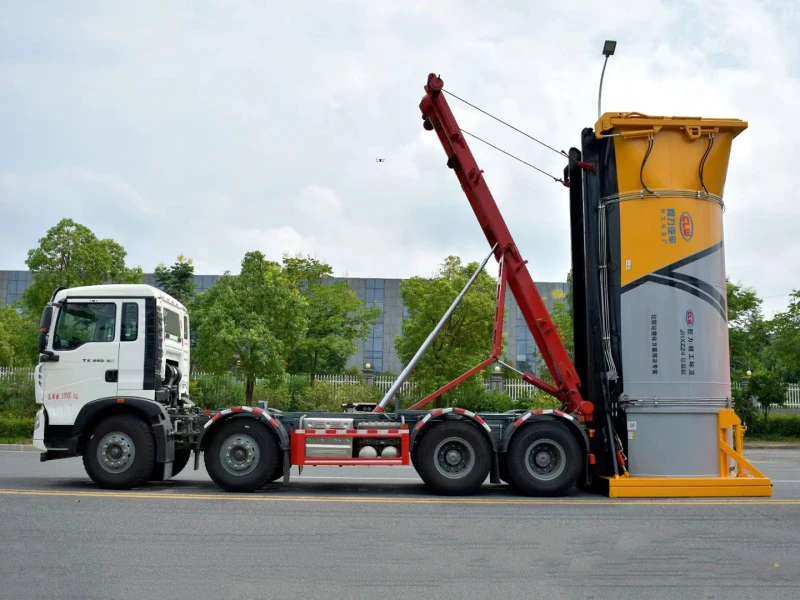
Compressor Structure: Heavy duty vertical compression chamber fabricated from high strength structural steel with wear resistant liners
Storage Container: Separate waste containers constructed from corrosion resistant steel plate for extended service life
Design Concept:
The design philosophy centers on comprehensive waste management, environmental responsibility, and operational efficiency. The vertical compression technology achieves superior waste density through gravity-assisted compaction, maximizing container utilization and transport efficiency. The separate compression and storage design enables continuous waste processing while full containers are transported, eliminating bottlenecks in transfer operations. Multiple feeding options accommodate diverse collection vehicle types, from small community collection trucks to larger transfer vehicles. The system addresses the fundamental challenges of traditional waste storage including unsanitary conditions, odor generation, and pest attraction through fully enclosed, automated operation.
IV. Detailed Structure and Component Advantages
Vertical Compression Mechanism:
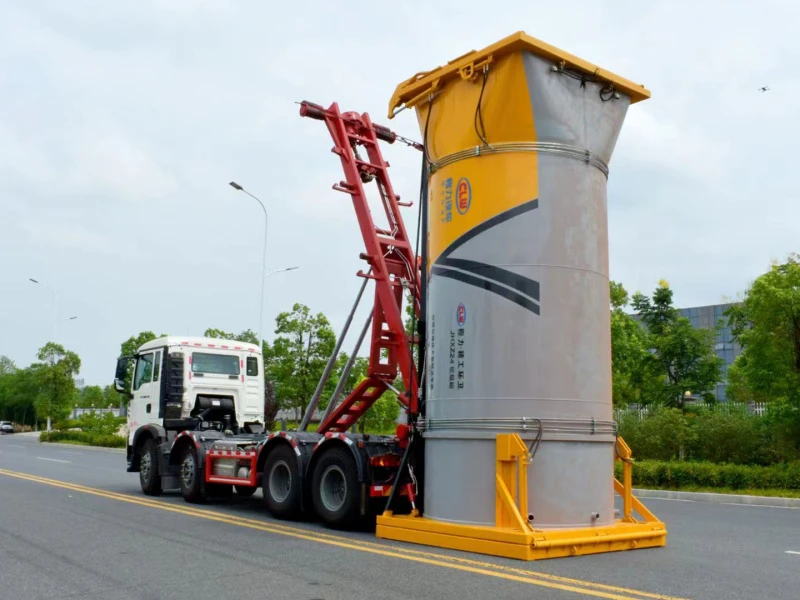
The vertical direct compression technology employs powerful hydraulic cylinders to compact waste vertically within the compression chamber. This gravity-assisted design achieves exceptional compaction density while reducing energy consumption compared to horizontal systems. The compression cycle simultaneously performs waste volume reduction and partial dehydration, significantly improving transport efficiency and landfill compatibility.
Separate Compression and Storage Design:
The split configuration with separate compression unit and storage containers enables continuous waste processing operations. While one waste container is being filled by the compactor, another full container can be transported to the disposal site, ensuring uninterrupted station productivity. This parallel processing capability doubles effective throughput compared to integrated designs requiring compactor idle time during container exchange.
Feeding System Versatility:
The system offers multiple feeding methods specifically designed for small to medium collection vehicles common in municipal fleets. Options include direct tipping, platform feeding, and mechanical loading systems adaptable to various vehicle types and operator preferences. This flexibility ensures seamless integration with existing collection infrastructure without requiring fleet modifications.
Heavy Duty Chassis Integration:
Designed for compatibility with Sinotruk Howo front four rear eight heavy duty platforms, the system leverages robust chassis engineering for reliable transport operations. The multi-axle configuration provides exceptional load distribution for heavy waste containers, ensuring stable handling during highway transport and urban delivery.
Environmental Protection Systems:
The fully enclosed operation throughout compression, storage, and discharge cycles prevents waste exposure to the environment. Integrated odor control systems neutralize offensive smells before release. Leachate collection and treatment systems prevent groundwater contamination. These features eliminate the unsanitary conditions, odor problems, and insect breeding associated with traditional waste storage methods.
Automation and Control:
Advanced automation level enables one-person operation of the entire waste transfer process. Programmable logic controllers manage compression cycles, container filling, and system diagnostics. Remote monitoring capabilities provide real-time operational data for efficiency optimization. Automated safety systems prevent operation unless all conditions are satisfied.
V. Product Features and Manufacturer Advantages
Superior Compression Performance:
The vertical compression technology achieves higher waste compaction ratios than horizontal systems, reducing container volume requirements by 30-40% for the same waste tonnage. This compression efficiency translates directly to reduced transport frequency and lower disposal costs.
Operational Efficiency Benefits:
Continuous processing through separate compression and storage eliminates waiting time during container exchange. Rapid cycle times maximize daily throughput within operating hours. Automated operation reduces labor requirements and worker fatigue. These efficiency gains significantly lower cost per ton processed.
Environmental Excellence:
The system completely eliminates secondary pollution during waste transfer operations. Enclosed design prevents windblown litter and scavenging. Odor containment improves community relations for transfer stations located near residential areas. Leachate control protects soil and water resources. These features enable waste facilities to operate responsibly in sensitive locations.
Worker Welfare Improvements:
Automated operation dramatically reduces worker labor intensity compared to manual waste handling methods. Operators work in clean control rooms rather than exposed waste environments. Ergonomic design minimizes physical strain and injury risks. These improvements enhance workplace safety and employee satisfaction.
Application Flexibility:
The system adapts to diverse site conditions and processing requirements. Small footprint configurations suit space constrained urban locations. Expanded layouts accommodate high-volume regional transfer stations. Feeding system options match existing collection vehicle fleets. This adaptability ensures optimal solutions for any waste management scenario.
CLW Group Manufacturer Advantages:
As a leading Chinese environmental equipment manufacturer, CLW Group Special Automobile Co., Ltd. delivers comprehensive quality across all production aspects. Engineering excellence ensures robust structural design for demanding waste processing applications. Hydraulic system reliability through premium components guarantees consistent compaction performance. Corrosion resistant materials extend service life in aggressive waste environments. Customization flexibility allows adaptation to specific site conditions, capacity requirements, and feeding preferences. An extensive experience base supports municipal sanitation departments, waste management companies, and industrial facilities globally. Complete installation documentation and technical support are provided with every system. Service support includes factory direct technical assistance and comprehensive parts availability through established distribution networks.
This Sinotruk Howo front four rear eight vertical direct compression waste station combines superior compression technology, environmental excellence, and operational efficiency delivering an advanced solution for medium to large waste transfer stations and comprehensive waste management applications.